

News 2026-10-22
Simplifying Synthesis with Radical Cross-Coupling: Prof. Phil S. Baran of Scripps Research Lectures at Porton
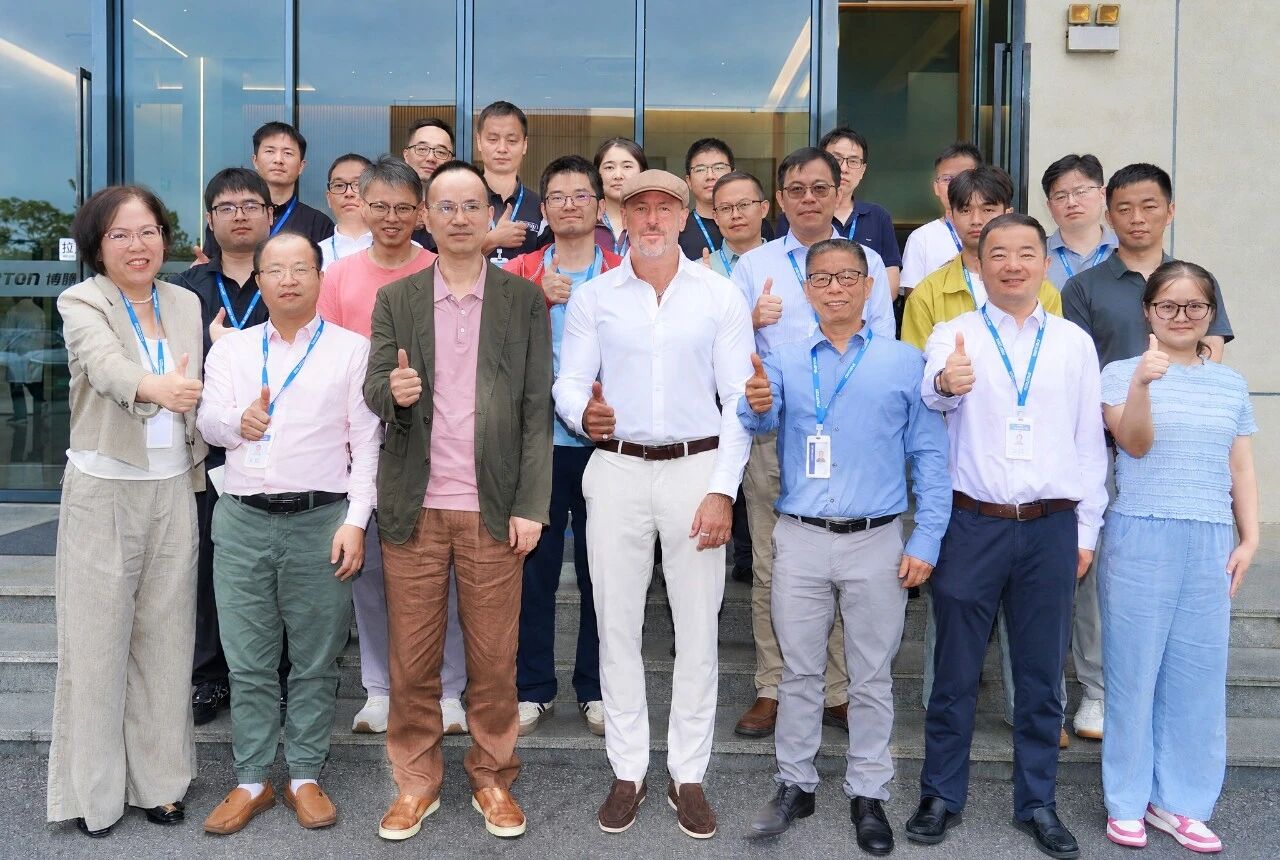
Shanghai, October 19, 2026 — At the company's invitation, Professor Phil S. Baran of Scripps Research visited Porton's Shanghai R&D Center for an academic exchange with its R&D and technical teams. The event was hosted by Dr. Yongli Zhong, CSO, and attended by Mr. Oliver Ju, Chairman and CEO; Mr. Yunxing Yin, VP and Head of the Small Molecule Platform, and more than 200 R&D and technical staff.
Professor Baran is a Professor in the Department of Chemistry at Scripps Research, where he holds the Dr. Richard A. Lerner Endowed Chair, and is one of the most influential scientists in modern synthetic chemistry. Working at the interface of fundamental organic chemistry and translational science, his laboratory focuses on simpler, scalable and more practical ways to build complex molecules, with landmark contributions to natural product total synthesis, radical chemistry and organic electrochemistry. Many of the methods developed in his laboratory are now widely used in drug discovery and pharmaceutical process research. He has published over 300 scientific papers and is an elected member of the American Academy of Arts and Sciences and the U.S. National Academy of Sciences. His honors include a MacArthur Fellowship, the Blavatnik National Award for Young Scientists in Chemistry, and the Elias J. Corey Award of the American Chemical Society.
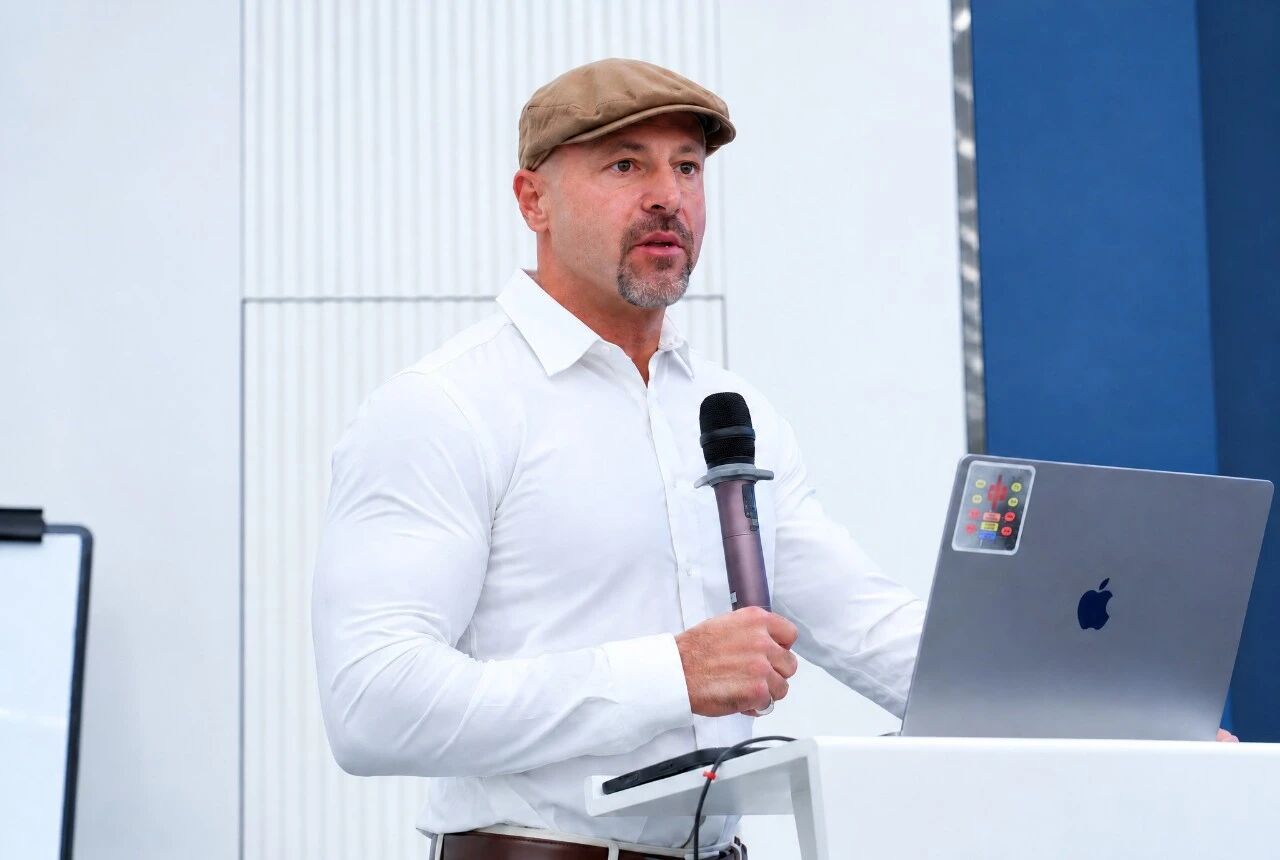
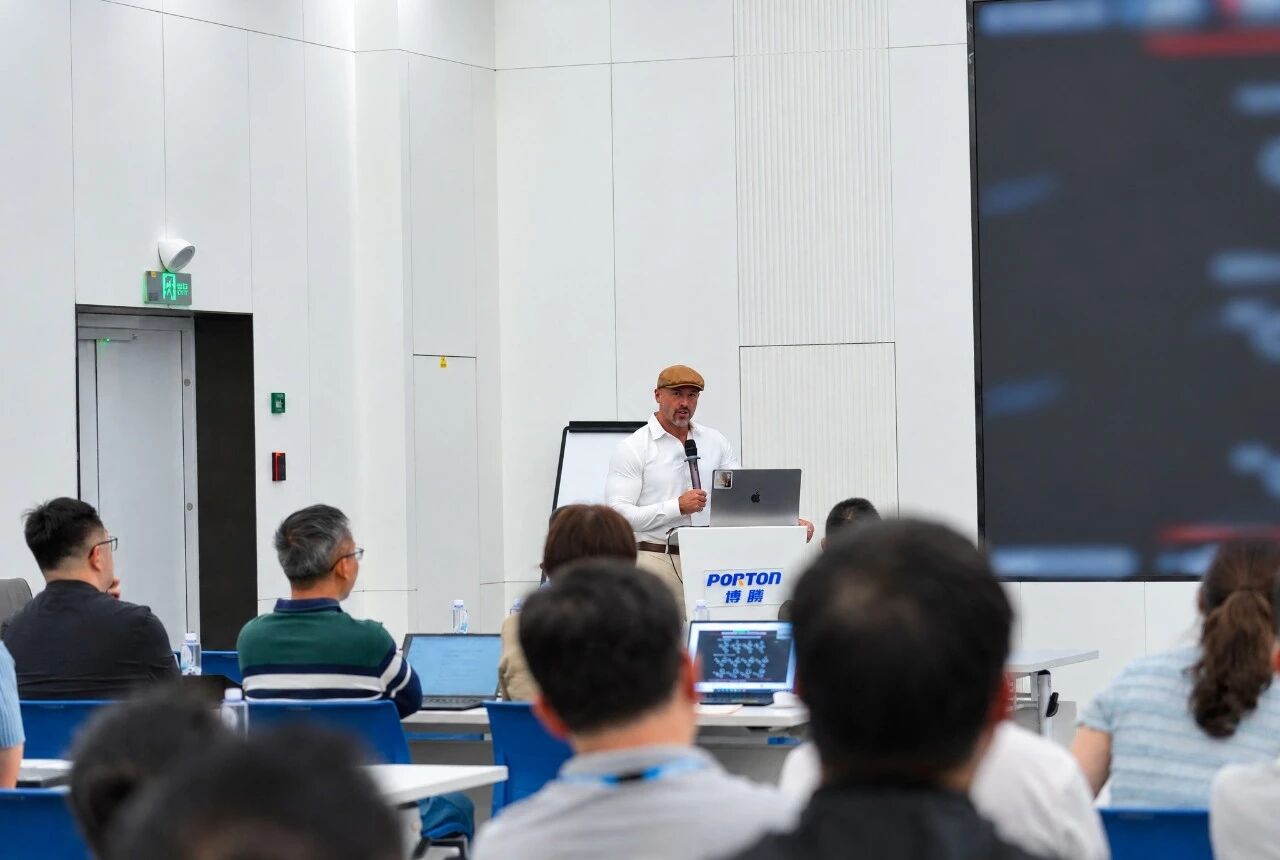
Lecture Highlights: Simplifying Synthesis with Radical Cross-Coupling
Professor Baran delivered a lecture titled “Simplifying Synthesis with Radical Cross-Coupling.” Starting from the practical challenges of contemporary drug development, he showed how radical cross-coupling can be applied across different stages of drug R&D, and illustrated these approaches through case studies. Four key takeaways stood out:
-
~Organic synthesis should move beyond traditional polar retrosynthetic logic, with radical pathways significantly reducing redundant synthetic steps.
-
~Sulfonyl hydrazide reagents provide a built-in driving force for the reaction through the release of nitrogen gas, addressing key redox challenges of radical coupling.
-
~Asymmetric radical coupling, long deemed impossible by textbook logic, has been achieved through an in-cage coupling mechanism that fully retains chirality without chiral ligands.
-
~The next transformation of the pharmaceutical industry will be driven by biocatalysis, scalable C-H activation, and integrated AI-robot closed-loop systems.
He encouraged the researchers in attendance to innovate boldly and to pursue unconventional solutions.
In-Depth Exchange: From Technical Q&A to Industry Outlook
In the Q&A session, Porton's R&D and technical teams engaged Professor Baran on frontier advances in synthetic chemistry, innovative route design and practical technical challenges in ongoing projects, and his detailed answers were met with an enthusiastic response.
To close the event, Professor Baran exchanged views with Oliver on industry trends and the application of AI. In his assessment, biocatalysis is the highest-impact near-term technology for the low-cost, large-scale production of small molecules, peptides and oligonucleotides; scalable C-H activation offers an orthogonal synthetic logic that complements both radical cross-coupling and biocatalysis in the disconnection of highly complex molecules; and closed-loop experimental systems combining AI and robotics are expected to enter widespread industrial use within five to ten years, cutting R&D cycle times for reaction optimization and new molecule discovery by an order of magnitude and playing a substantial role in R&D and manufacturing at leading pharmaceutical companies.
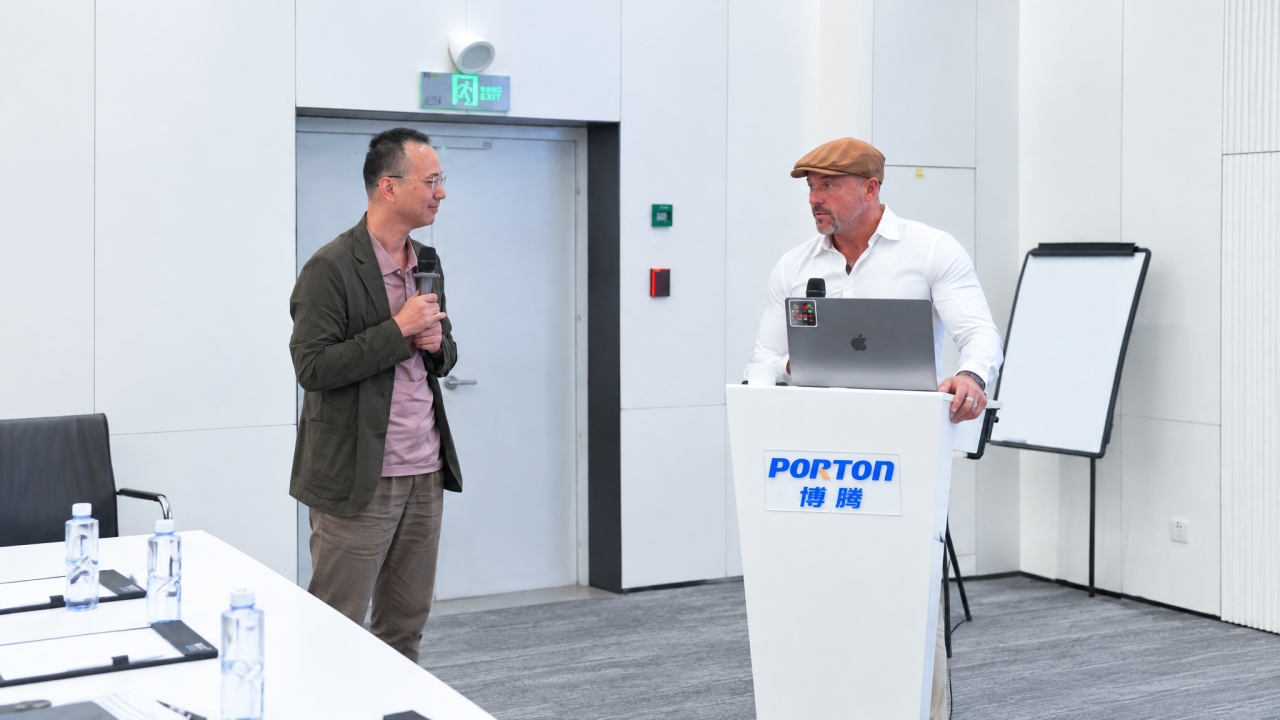
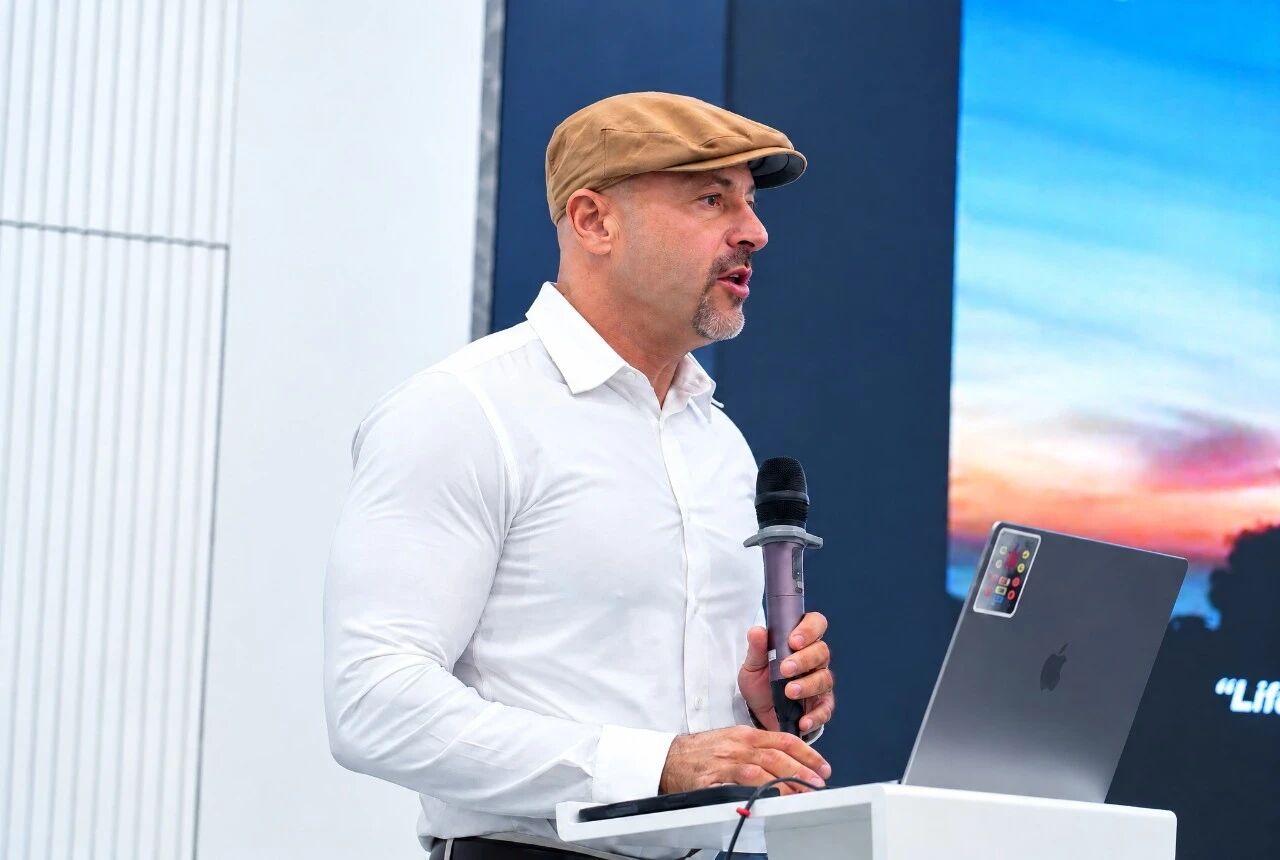
The face-to-face exchange of ideas broadened the technical horizons of Porton's researchers and offered fresh inspiration for tackling complex technical challenges and driving R&D innovation.
Harnessing Global Scientific Expertise to Strengthen Porton's R&D Capabilities
Porton keeps a close watch on the frontiers of global pharmaceutical science and continuously strengthens its R&D and technology capabilities. The company recently established a Technology Management Team (TMT) to coordinate technology strategy, integrate expertise from within and beyond the company on a global scale, and accelerate identification of frontier technologies and key‑technology breakthroughs. Professor Baran's visit is a concrete example of how Porton, through the TMT, brings in global scientific expertise and fosters an open academic culture.
Going forward, Porton will remain innovation-driven. Leveraging the TMT, the company will integrate capabilities across its technology platforms to provide clients with comprehensive technical solutions spanning multiple molecular modalities, and work side by side with them to address CMC challenges. Committed to a customer-centric philosophy, Porton strives to deliver innovative and reliable global CDMO solutions that accelerate new drug development — Enabling Earlier Access to Good Medicines.
Others
More
News 2026-10-16
Porton Achieves Third-Party Verification for Its First Commercial Product LCA and PCF Study
Conducted in accordance with ISO 14040:2006 and ISO 14044:2006 (Life Cycle Assessment) and ISO 14067:2018 (Product Carbon Footprint) standards, the study employs a cradle-to-gate system boundary, marking the formal extension of Porton's ESG management from the organizational level to the product level.
News 2026-10-09
Porton Successfully Concludes CPHI Milan 2026, Showcasing Integrated CDMO Capabilities and Connecting for Global Pharma Innovation
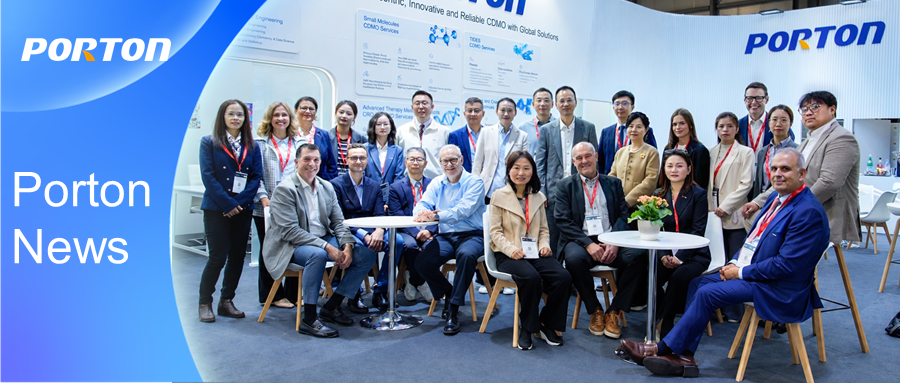
Porton Pharma Solutions showcased its capabilities at the event, engaging in multiple face-to-face meetings with pharmaceutical and biotech companies and industry partners from Europe and around the world at Booth 10K6, discussing drug development trends, supply chain challenges, and diverse CDMO collaboration opportunities.


